Video is not a separate marketing channel that needs a studio, a script supervisor and a lighting rig. For most small businesses it is a format, and the most useful videos are made on a phone in a room you already have.
The businesses that get value from video are rarely the ones with the best equipment. They are the ones that picked a question customers actually ask and answered it on camera in under two minutes.
Start with the question, not the camera
Open your support inbox and your sales calls. Every repeated question is a video: how to use the product, what happens after payment, what the service includes, why the price is what it is.
Write the question as the title. "How long does delivery take to Karachi?" is a better brief than "brand awareness video", because you will know within a month whether it worked.
Three formats that do not need a studio
The talking head answer
One person, one question, 60–90 seconds. Phone at eye level, window in front of you, quiet room. Say the answer in the first sentence, then the detail. This is the highest-value format for a service business, because it shows a real person and answers a real question.
The screen recording
If your product is software or an online process, record the screen and narrate. No face, no lighting, no location. Keep it under three minutes and cut every pause.
The walkthrough
Film the thing you make or do — the workshop, the packing bench, the before-and-after. Ten clips of five seconds each, cut together, beats one long unedited take.
The five things that make phone video watchable
- Light in front, not behind. Face a window. Never sit with the window behind you.
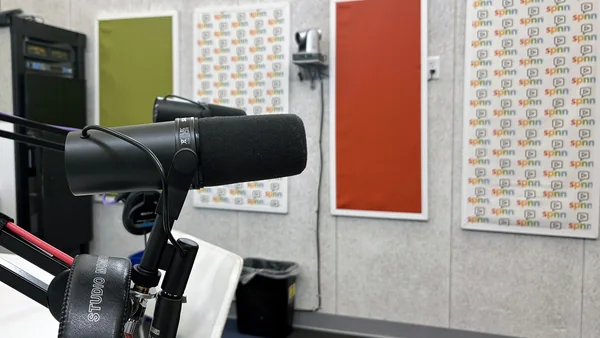
- Sound close. A £15 lavalier microphone improves more than any camera upgrade; viewers forgive soft focus, not echo.
- Lock exposure and focus. Tap and hold on the subject before recording so the image does not hunt.
- Shoot horizontal for websites, vertical for social. Decide before you press record.
- Leave two seconds of silence before and after each take, so editing has room.
Write the script as bullet points, not sentences
Reading a script aloud sounds like reading a script. Write the three beats and improvise between them:
- The answer, in one sentence
- The reason, or the exception
- What to do next
Do one rehearsal without recording, then record twice and keep the second. If you stumble, start the sentence again rather than the whole video — you can cut on the sentence.
Keep it short, then cut it shorter
Most first attempts are twice as long as they need to be. The first five seconds decide whether anyone watches the rest, so start with the answer, not with an introduction. "Delivery to Karachi takes two to three days" is a first line; "Hi, I'm Ali from..." is not.
Aim for 60–90 seconds. If the topic needs more, split it into two videos.
Where to put it
- On the page it answers. A FAQ video on the FAQ page does more than the same video on a social feed.
- YouTube, with the question as the title and a real description. It is a search engine, and these videos keep earning views for years.
- Social, cut to 30 seconds with captions burned in — most people watch muted.
Always add captions. They help people watching in a queue, they help viewers who are deaf or hard of hearing, and they make the video indexable.
Do not chase production value
A clean, well-lit answer filmed on a phone outperforms a glossy brand film nobody searches for. Spend the saved budget on more videos, not on a better camera.
What you should not compromise on: sound, captions and a clear first sentence.
A repeatable monthly routine
- Pick three questions from the last month's enquiries.
- Write three bullet-point scripts — twenty minutes.
- Film all three in one sitting — forty minutes.
- Cut, caption and publish — one hour.
- Embed each video on the page it answers.
Three videos a month is thirty-six a year, which is more than most competitors will ever publish.
Checklist
- Topic taken from a real customer question
- Answer in the first sentence
- Window in front, microphone close, focus locked
- Bullet-point script, not a read-aloud
- 60–90 seconds; cut every pause
- Captions burned in or uploaded
- Embedded on the page it answers, plus YouTube
Video pairs well with written guides: the article ranks in search, the video builds trust on the page. If you already publish webinars or long posts, the same material will carry a short video with almost no extra writing.